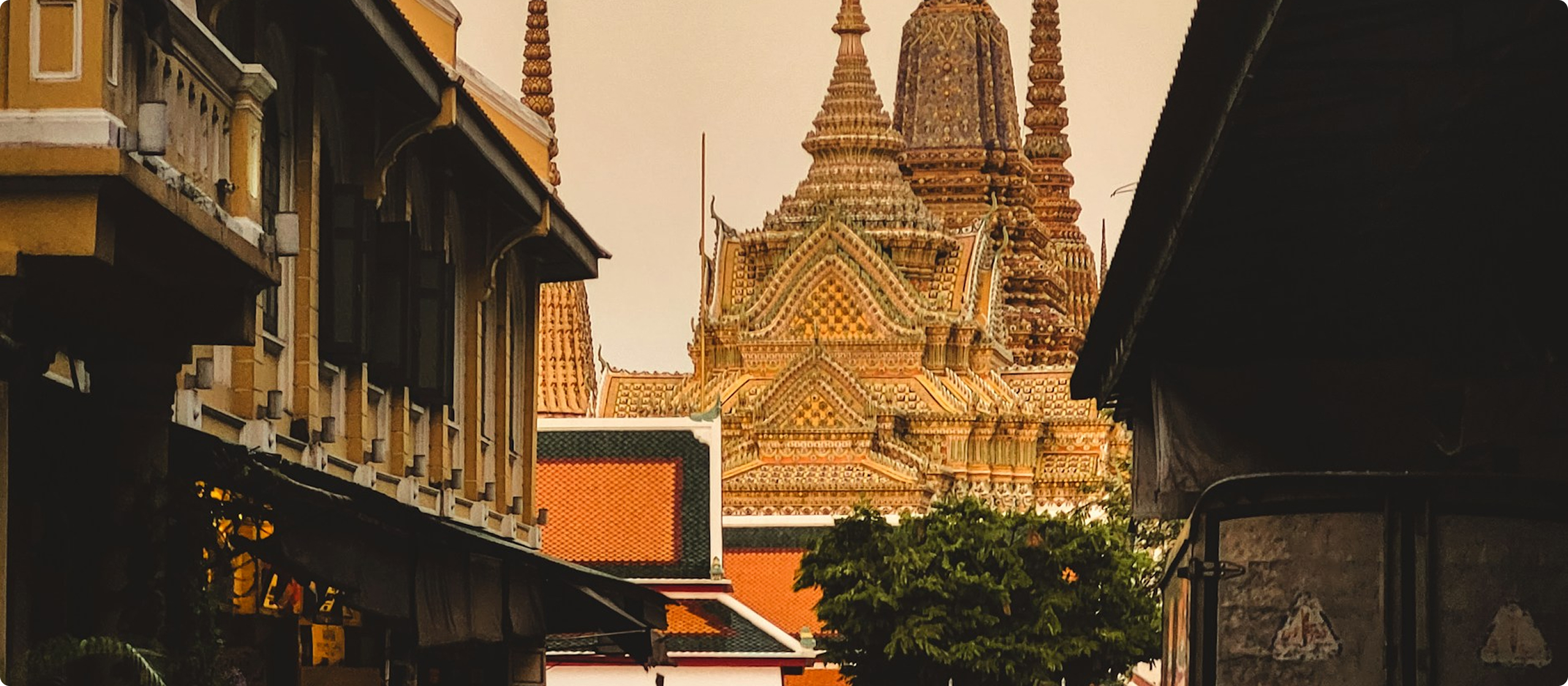


The History of Thailand: From Ancient Kingdoms to Modern Harmony
Thailand’s story is one of resilience, grace, and continuity. Across centuries, the Kingdom has evolved — from ancient civilizations and flourishing empires to a global hub of culture and progress. Understanding Thailand’s history is essential for anyone who wishes to invest, live, or simply connect with the spirit of this remarkable nation.
1. The Dawn of Civilization
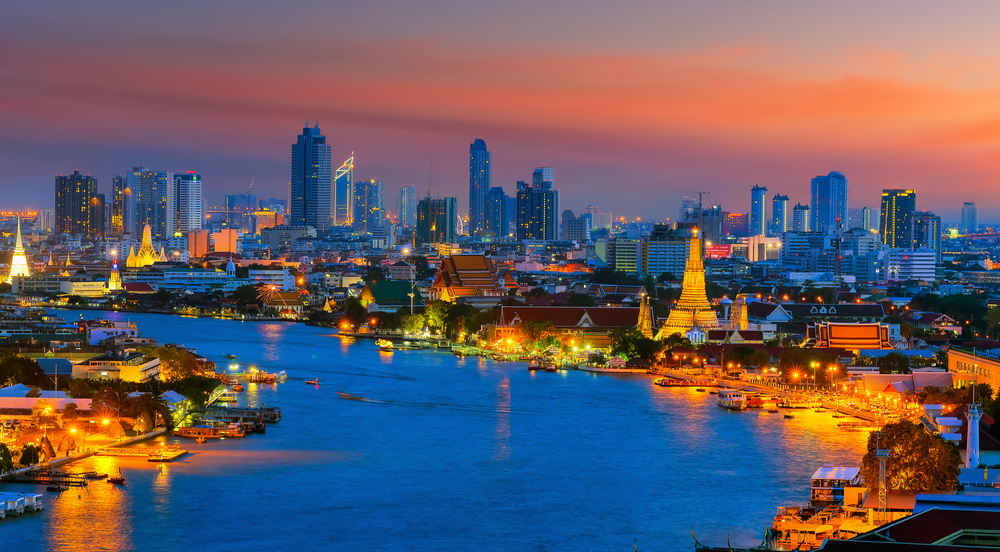
The roots of Thai civilization stretch back over 4,000 years. Early communities thrived in fertile valleys along the Chao Phraya and Mekong rivers, developing agriculture, bronze metallurgy, and trade networks that connected them to India and China.
These early societies laid the foundation for what would become the first organized Thai kingdoms — influenced by Hindu-Buddhist beliefs, yet distinctly Southeast Asian in identity.
2. The Birth of the Thai Identity — The Sukhothai Kingdom (13th Century)
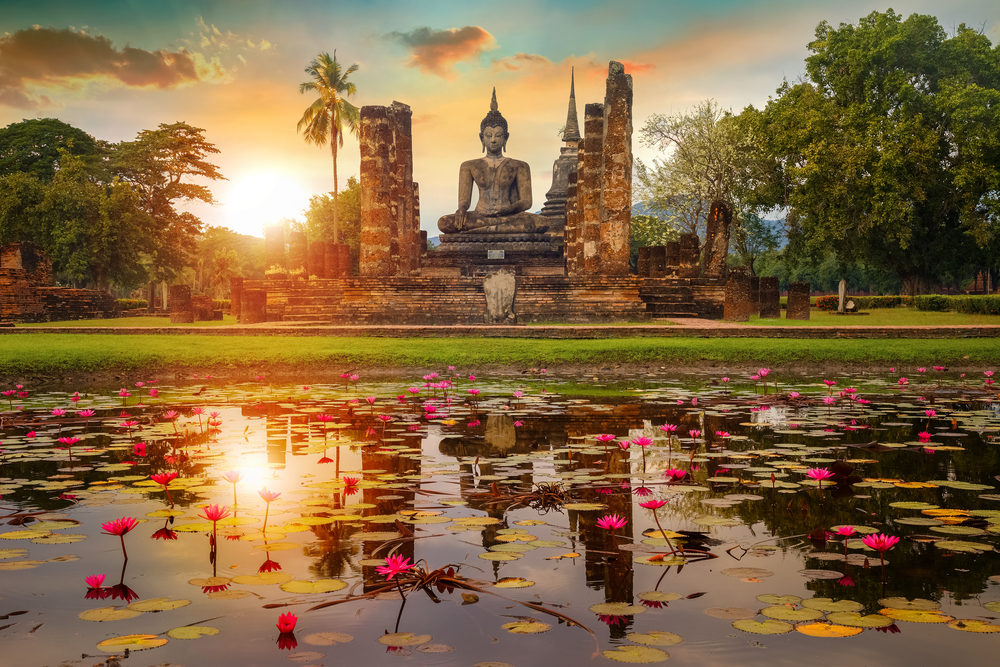
Often celebrated as the cradle of Thai civilization, the Sukhothai Kingdom (1238–1438) marked the rise of an independent Thai state. Under King Ramkhamhaeng the Great, Sukhothai established the Thai script, formalized Theravada Buddhism, and defined the ideals of governance rooted in compassion and moral virtue.
Sukhothai’s name — meaning “Dawn of Happiness” — reflects an era of unity, artistry, and the birth of what we now call the “Thai spirit.”
🪷 Highlight: The graceful Sukhothai sculptures and architecture still inspire Thai aesthetics today, symbolizing purity and serenity.
3. Power and Prosperity — The Ayutthaya Kingdom (1351–1767)
Following Sukhothai’s decline, the Ayutthaya Kingdom rose as one of Asia’s most powerful and cosmopolitan empires. For over 400 years, Ayutthaya was a global trading hub — welcoming merchants from Europe, Japan, India, and the Middle East.
Its majestic temples, royal palaces, and intricate canals earned Ayutthaya comparisons to Venice. Despite invasions and wars, the kingdom’s diplomatic skill and openness to trade made it a beacon of wealth and cultural sophistication.
In 1767, Ayutthaya fell to Burmese forces — but not its spirit. From its ashes rose a new era.
4. Restoration and Resilience — The Thonburi and Rattanakosin Eras
After the fall of Ayutthaya, King Taksin the Great reunited the Thai lands and established the Thonburi Kingdom (1768–1782), preserving independence when neighboring nations fell to colonial powers.
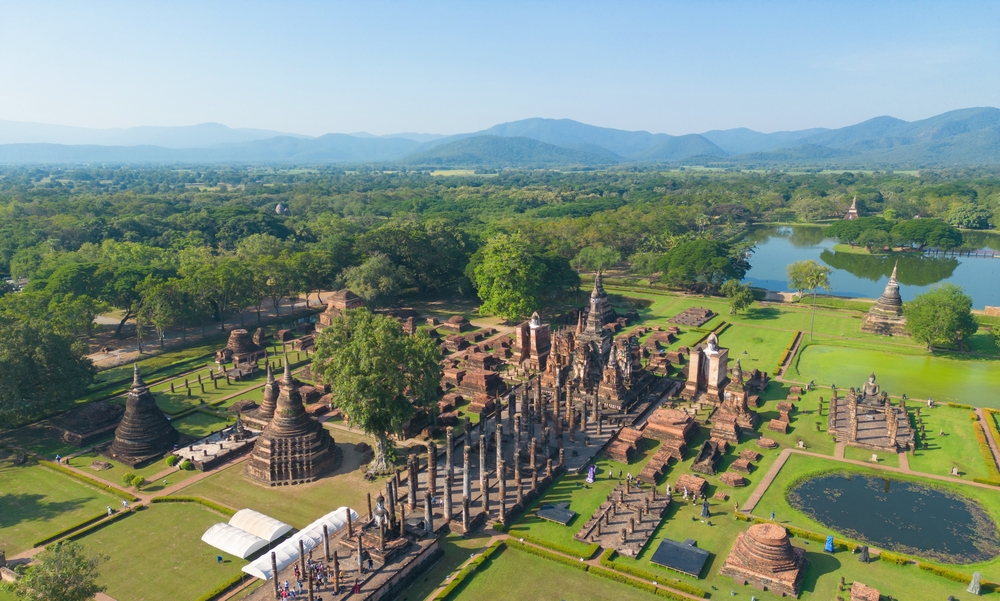
Soon after, King Rama I founded the Rattanakosin Kingdom, moving the capital to Bangkok. The Chakri Dynasty, still reigning today under King Maha Vajiralongkorn (Rama X), began a legacy of modernization, diplomacy, and stability.
Bangkok flourished as a cultural and commercial center — its temples, palaces, and waterways reflecting a fusion of ancient heritage and growing global influence.
5. The Age of Modernization and Independence
The 19th century brought unprecedented global change. While much of Southeast Asia fell under colonial rule, Thailand (then Siam) remained proudly independent — a testament to wise diplomacy and progressive reform.
Kings Mongkut (Rama IV) and Chulalongkorn (Rama V) embraced modernization, introducing education reforms, railways, and new legal systems while maintaining the kingdom’s cultural integrity. Their leadership safeguarded Thailand’s sovereignty, transforming it into a modern state.
💡 Did you know? Thailand is the only Southeast Asian nation never colonized by a Western power — a rare historical achievement that defines its pride and unity.
6. Thailand in the 20th Century: Transformation and Global Presence
The 20th century witnessed Thailand’s evolution into a dynamic constitutional monarchy. The nation balanced modernization with its deep cultural values, navigating global changes while fostering growth across education, tourism, and commerce.
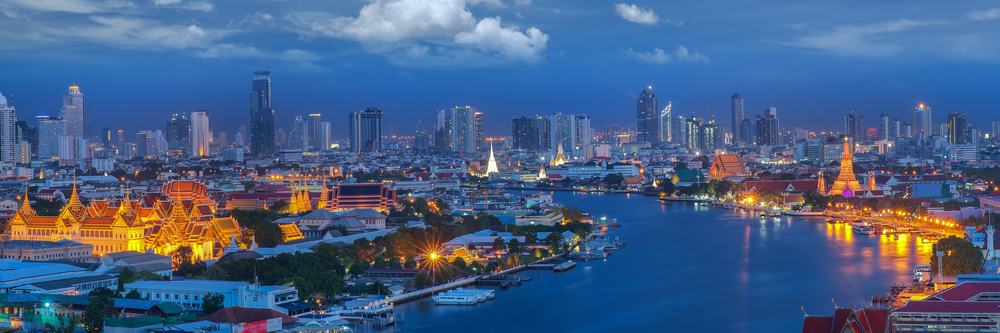
Bangkok emerged as a regional powerhouse — a blend of royal heritage, Buddhist spirituality, and urban ambition. Through economic development and international partnerships, Thailand positioned itself as a bridge between East and West.
7. The Modern Kingdom — Tradition Meets Tomorrow
Today, Thailand thrives as a forward-looking nation that honors its past. Its monarchy remains a symbol of unity; its people, a reflection of warmth and resilience.
From Sukhothai’s spiritual legacy to Bangkok’s skyline of innovation, Thailand’s story is one of harmony — where the ancient and the modern coexist beautifully.
🌺 Final Thoughts: A Timeless Nation of Balance
To understand Thailand is to appreciate the art of balance — between reverence and progress, spirituality and ambition.
Whether you visit its ancient ruins, invest in its modern economy, or make it your long-term home, you become part of a story that continues to evolve — gracefully, proudly, and endlessly Thai.
.png)
.png)