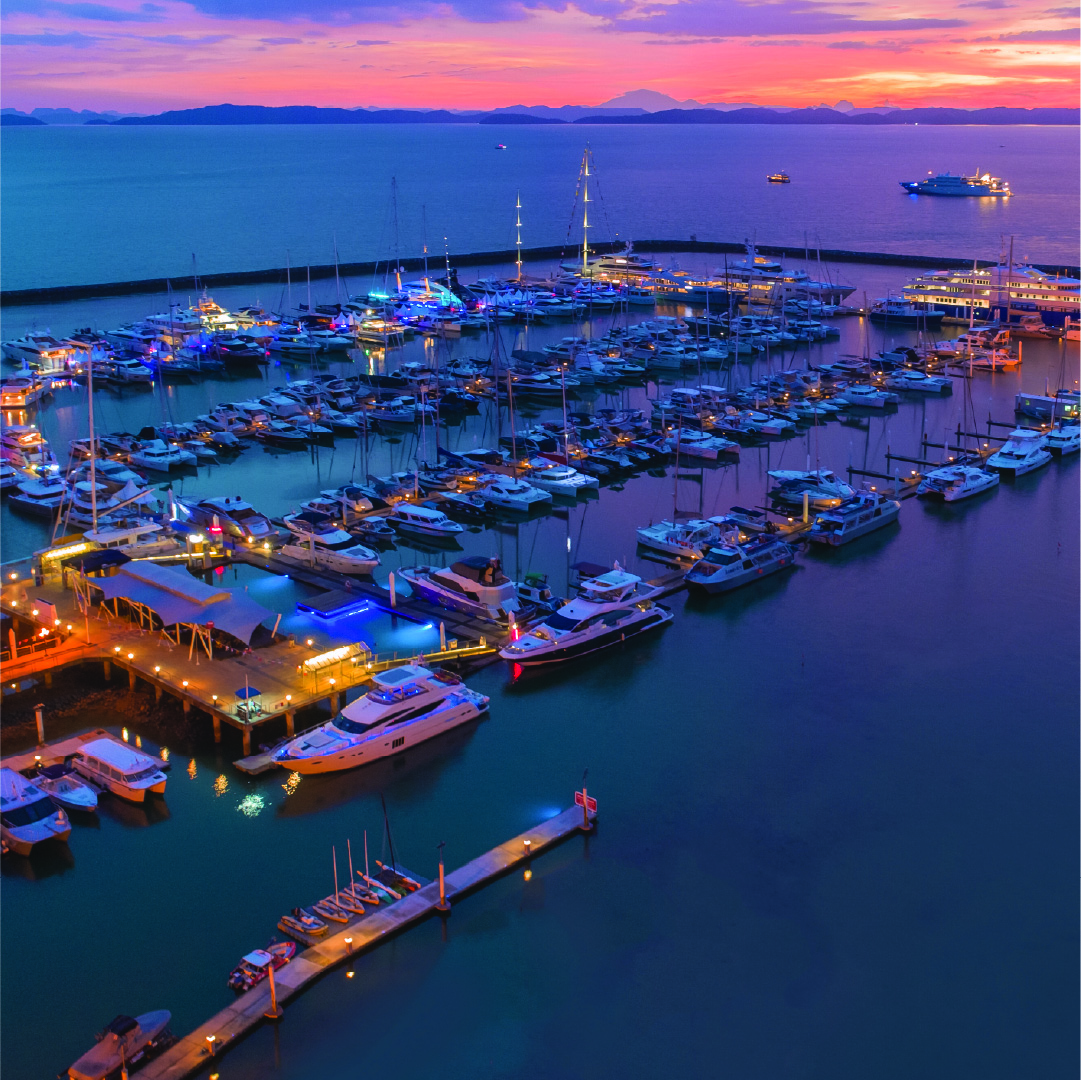
Thailand is emerging as Asia’s most desirable superyacht base — with world-class marinas, stable regulations, and competitive operating costs. For yacht owners seeking both lifestyle and strategic residency planning, Thailand offers an unmatched combination of tropical cruising and investment-friendly structures.

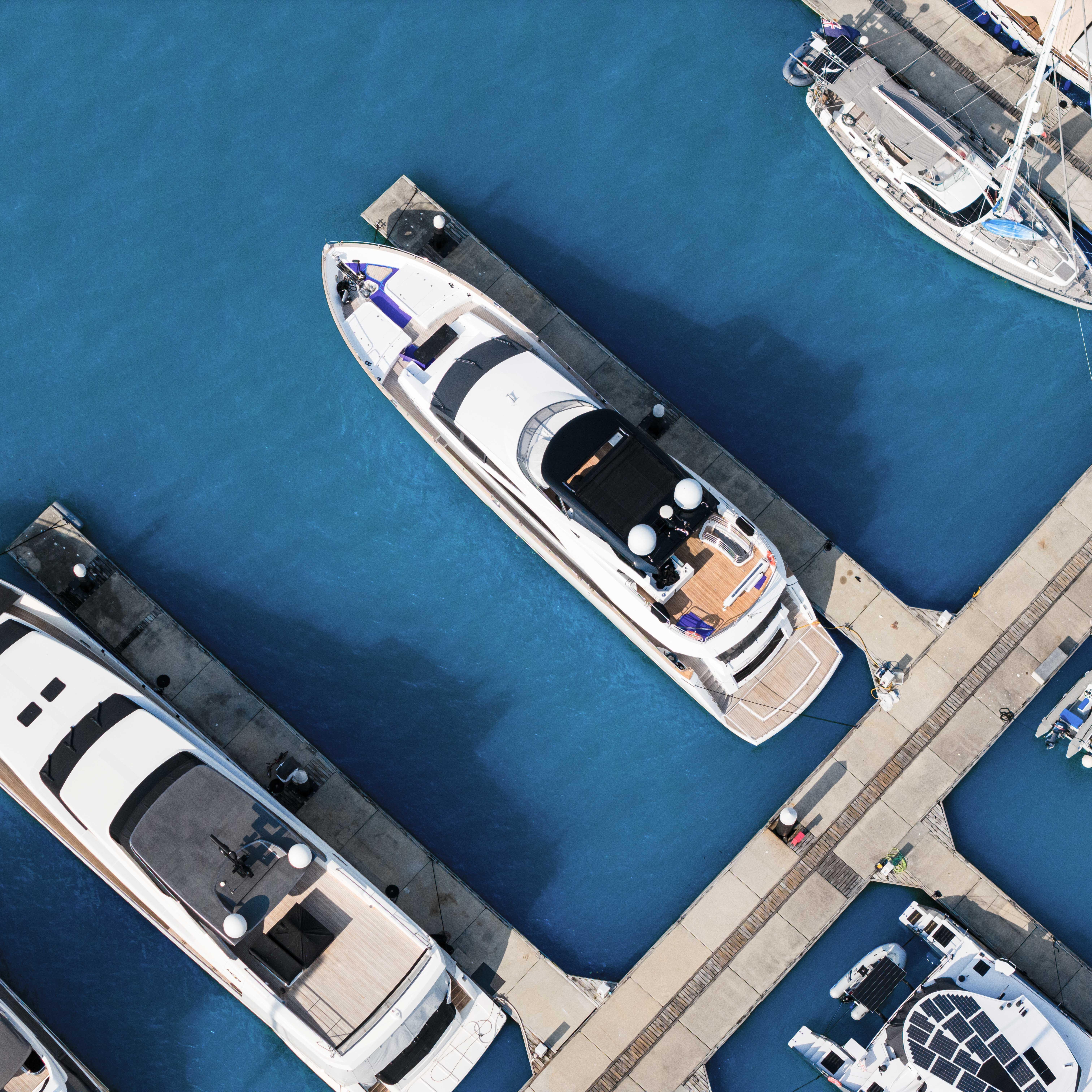
✔ Fully legal and widely used
✔ No Thai ownership required
✔ Common for private use and chartering
✔ Must comply
with Thai marine
regulations

✔ The yacht can be registered in Thailand under a Thai company
✔ The company can be 100% foreign-owned only if BOI-approved
✔ Otherwise standard company rules apply (Thai majority shareholding)
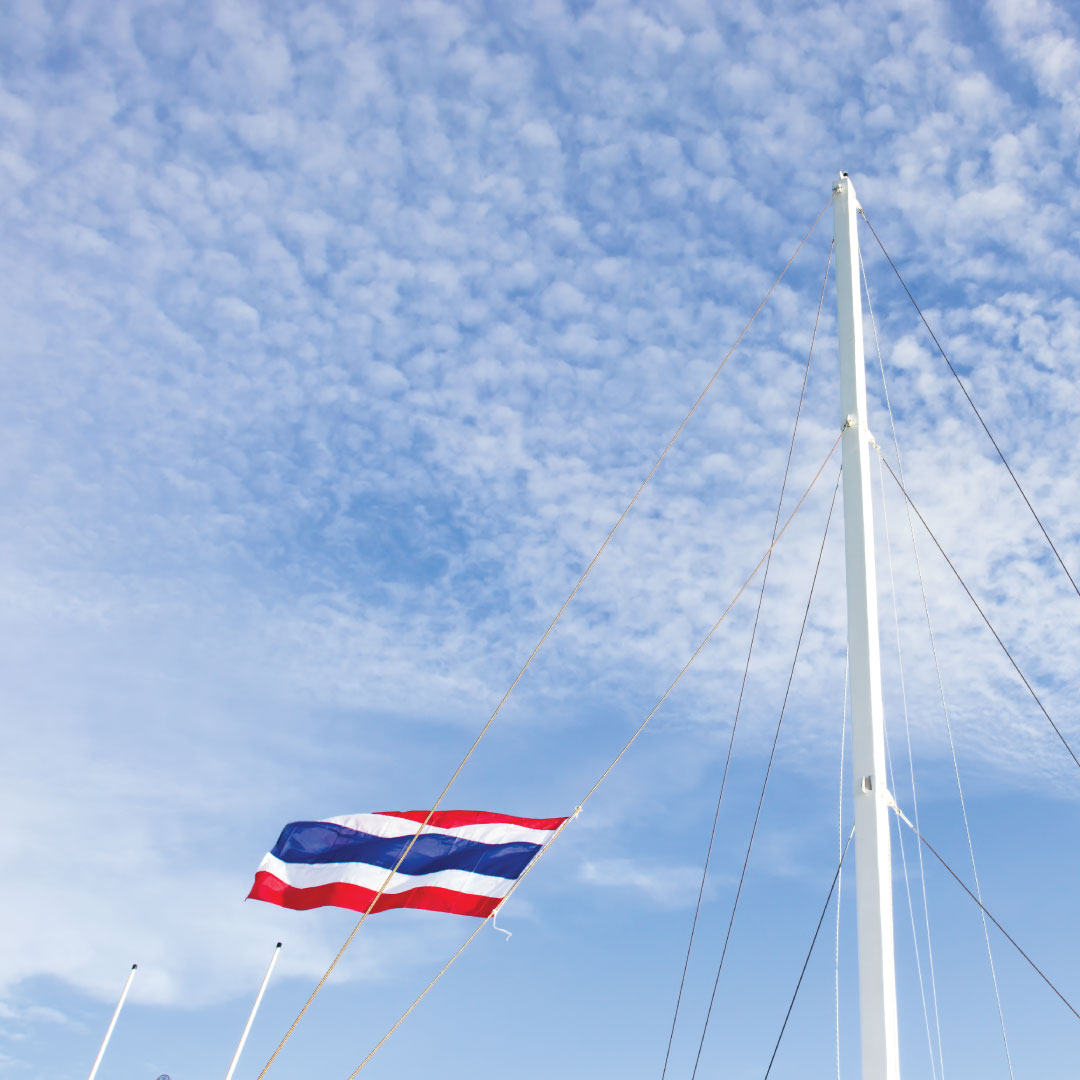
✔ One Thai crew member is required on Thai-flagged vessels
✔ Up to 6 months permit, extendable
✔ Duty-free & VAT-free during the TI period
✔ Ideal for seasonal yacht owners

While owning a yacht does not automatically grant residency, it can strategically support eligibility for investment-based long-stay visas, such as:

Thailand permits both Thai-flagged and foreign-flagged superyachts to charter, provided they hold a Superyacht Charter License.
Read MoreThailand permits both Thai-flagged and foreign-flagged superyachts to charter, provided they hold a Superyacht Charter License.


Global yacht owners seeking an Asian home port


Lifestyle-driven individuals


Charter operators expanding into ASEAN


Investors building a luxury asset portfolio

Yes. Foreigners can legally own superyachts in Thailand through three recognized structures:
- Foreign-flag registration (most common and simplest)
- Thai company ownership (allowed with correct structure; BOI routes can allow 100% foreign ownership)
- Temporary Importation (TI) which allows the yacht to enter Thailand duty-free and VAT-free for up to 6 months, extendable
Yes. Since regulatory changes, Thailand allows both Thai-flagged and foreign-flagged superyachts to apply for an official Superyacht Charter License. Once licensed, the yacht can legally operate charters in Thai waters under controlled reporting, safety, and tax requirements.
Not directly.
However, yacht ownership enhances eligibility for long-stay options when paired with:
-An Investment Visa (USD 500,000+ investment)
-A Business / BOI structure tied to yacht operations
-เออเอThe Thai Privilege Visa (5–20 years)
Many yacht owners use a marine holding company or Thai business entity to support their long-term stay.
Thailand offers several advantages:
- Offshore income is not taxed unless remitted in the same year
- No annual luxury tax on yachts
- Temporary Importation (TI) exempts VAT and import duties
- Charter income is taxed only on Thai-generated revenue
This makes Thailand one of Asia’s most tax-efficient bases for superyachts.
Typically:
- Vessel registration certificate
- Crew list & passports
- Port clearance from last port of call
- Insurance documentation
- Temporary Importation permit (if foreign-flagged and staying long-term)
- Charter license (if conducting charters)
Your appointed Thai maritime agent handles all formalities.
Yes.
For Thai-flagged vessels, at least one Thai crew member is required under maritime law. For foreign-flagged vessels, crew requirements depend on the vessel’s flag state but must comply with international safety and certification standards (STCW, etc.).